History
The Mughal Paradox: Conquest, Persianisation, and the Recasting of Power in India
How the Mughal Empire transformed conquest into cultural synthesis through Persian civilisation, reshaping India and redirecting the course of Islamisation.
History rarely moves in straight lines. Empires rise with one intention and leave behind something entirely different. The story of the Mughals is one of those paradoxes—a dynasty born from conquest that became a vehicle for cultural transformation, and in doing so, reshaped not only India but also the trajectory of Islam beyond it.
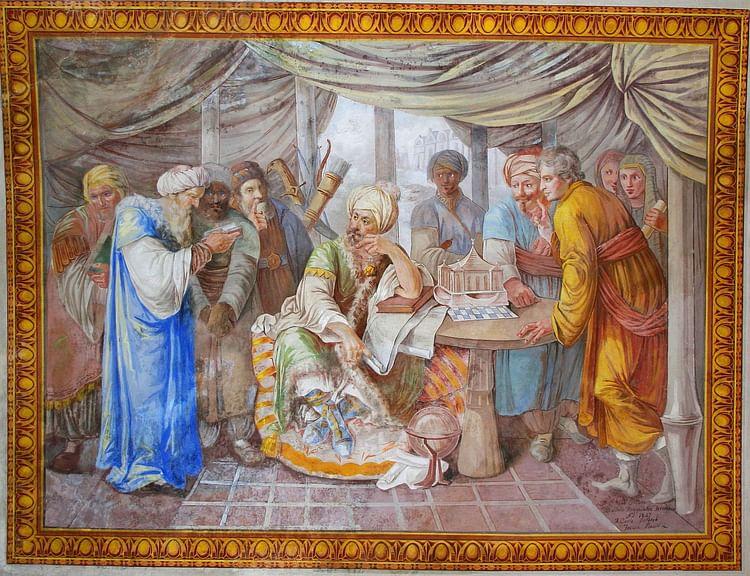
At first glance, the Mughal Empire appears as another chapter in the long expansion of Islamic rule. Founded by Babur in 1526 after the First Battle of Panipat, the dynasty traced its lineage to Timur and Genghis Khan—figures associated with conquest rather than cultural synthesis. Yet what emerged in India was not a continuation of earlier imperial models. It became something else entirely: a deeply Persianised court that absorbed, reshaped, and ultimately diluted the rigid ideological expansionism that had defined earlier waves.
From Conquest to Cultural Absorption
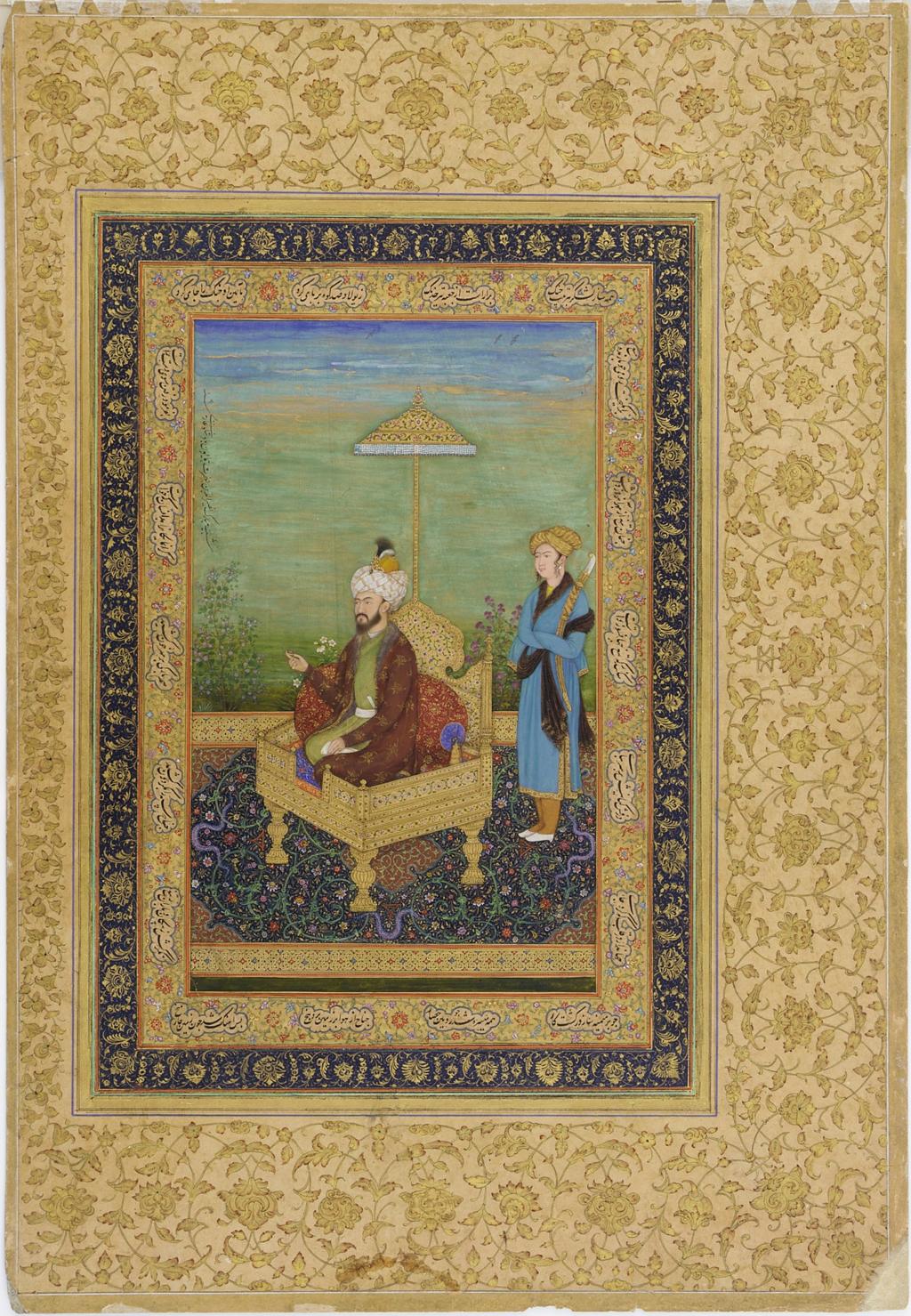
The turning point came not with Babur, but with his son, Humayun. After losing his throne, he fled to the Safavid court of Shah Tahmasp I in Persia. What he encountered there was not merely political refuge, but a civilisational framework—one rooted in centuries of Persian statecraft, art, literature, and philosophical thought.
Persia had already undergone its own transformation after the Arab conquest of the 7th century. While Islam became dominant, Persian civilisation did not disappear; instead, it reshaped the intellectual and cultural life of the Islamic world. By the time Humayun arrived, the Safavid court represented a refined synthesis of Islamic and pre-Islamic Persian traditions.
When Humayun returned to India to reclaim his throne, he brought Persia with him—not as an ideology of conquest, but as a blueprint of governance and identity.
The Persianisation of the Mughal Court
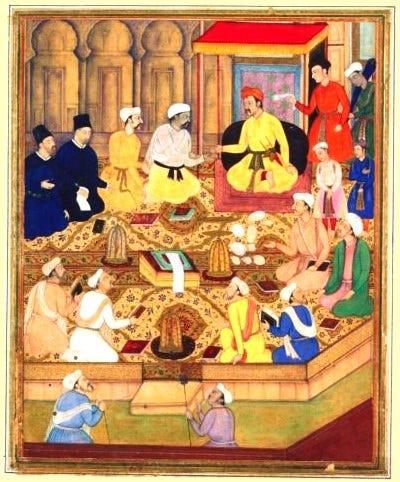
Under Akbar, this transformation reached its peak. He did not rule India as a conqueror imposing rigid identity, but as a builder of a civilisational court. Persian became the official language of the Mughal Empire—not Arabic, but the language of poetry, philosophy, and administration.
This choice signalled a shift away from religious orthodoxy toward a broader cultural identity. Through Persian, the Mughals introduced a new intellectual and administrative order. Court rituals, architecture, literature, and governance reflected Persian influence, creating a Persianate empire rather than a purely Islamic one.
Islamisation Slowed, Not Expanded
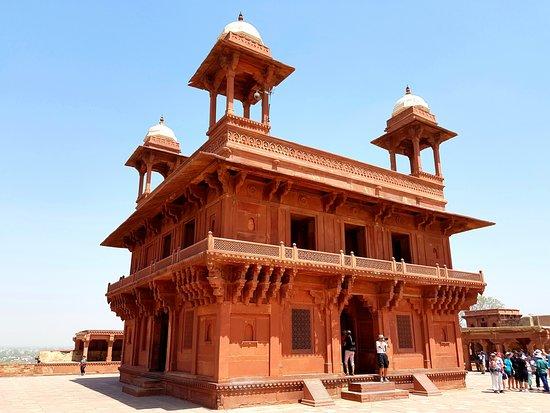
One of the most striking consequences of this transformation was the slowing—if not the redirection—of Islamisation in India.
Akbar abolished the jizya tax on non-Muslims, invited scholars of different religions to debate in the Ibadat Khana, and experimented with a syncretic spiritual framework. This was not an empire driven by religious expansion, but one shaped by a civilisation that had learned the limits of domination.
Rather than aggressively converting populations, the Mughal state prioritised stability, administration, and coexistence. Hindu elites were integrated into governance, and regional traditions were absorbed rather than erased.
Exporting Persian to India
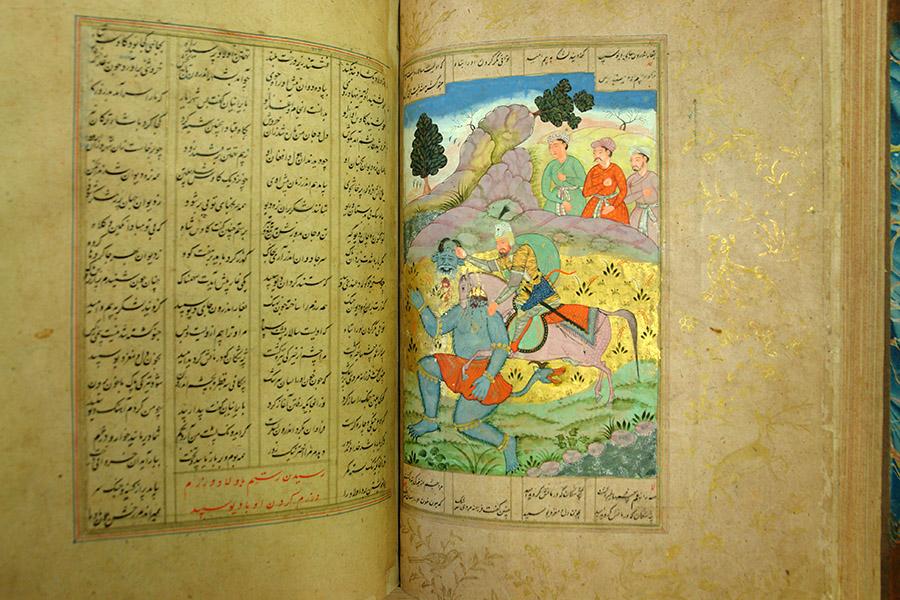
The most enduring legacy of the Mughals was not territorial, but cultural and linguistic. By institutionalising Persian as the language of administration, they exported Persian civilisation into India.
This gave rise to Indo-Persian traditions and contributed to the emergence of Urdu—a language shaped by Persian vocabulary and literary sensibility while rooted in the Indian landscape.
India did not become culturally Arabised. Instead, it became Persianised at the level of elite culture while remaining deeply diverse.
A Different Kind of Empire
The Mughal story challenges simplistic narratives about conquest and religion. It reveals how civilisation can reshape power. Persian influence transformed the Mughal state into one that prioritised synthesis over domination and culture over coercion.
Why This Matters Now
Understanding the Mughal experience is not about romanticising empire. It is about recognising how civilisations interact—how they absorb, resist, and transform one another.
Persia, once conquered, reshaped its conquerors. The Mughals, shaped by Persia, reshaped India. And in that chain of influence, something fundamental changed: power no longer moved in one direction.
Sometimes what appears to be conquest becomes transmission—and what survives is not force, but culture.